

Merton Council Rules on Rubbish: Fines and Penalties Guide
Posted on 26/06/2026
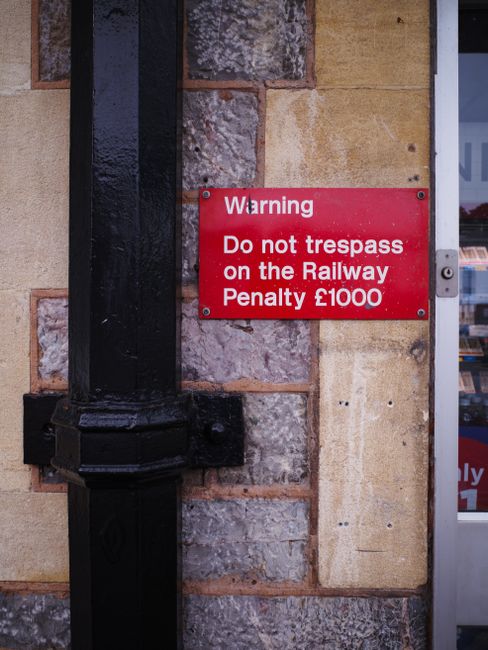
If you live, work, let, or renovate in Merton, rubbish rules can feel straightforward right up until they are not. One missed collection, one bag left beside a bin, or one bit of builders' waste put out the wrong way, and suddenly you are dealing with a warning, a charge, or in the worst cases a fine. This guide to Merton Council rules on rubbish, fines and penalties is here to make the whole thing much less annoying. We will walk through what tends to cause problems, how penalties usually happen, what best practice looks like, and the simplest ways to stay on the right side of local expectations.
Truth be told, most problems are avoidable once you know how the system works. And yes, that includes the awkward little details people often skip over.
Why Merton Council Rules on Rubbish: Fines and Penalties Guide Matters
Rubbish rules matter because waste does not disappear by magic. If household waste, bulky items, garden cuttings, trade waste, or fly-tipped material are handled badly, the impact lands on streets, estates, pavements, shared bins, and local residents who just want a clean, usable neighbourhood. In Merton, as in the rest of London, councils take waste management seriously because it affects public health, kerb appeal, wildlife, and how well the area functions day to day.
There is also a very practical reason to pay attention: fines and penalty notices can be expensive and stressful. A lot of people think they will only ever be penalised for obvious fly-tipping, but smaller mistakes can trigger enforcement too. Leaving bags beside an overflowing communal bin, placing the wrong items in a recycling container, or putting out waste at the wrong time can all create issues. Not always, but enough to make a careful approach worthwhile.
For homeowners, tenants, landlords, and businesses, the stakes are a little different. If you are selling a home in Merton, for example, a neat frontage and a tidy clear-out matter more than many people expect. If you are dealing with a move, a refurbishment, or an office reset, it can be easier to end up with excess waste than you planned. That is exactly when rules start to matter most.
And let's face it, nobody wants a morning walk to the car park or the bin store to turn into a headache with a notice attached.
How Merton Council Rules on Rubbish: Fines and Penalties Guide Works
At a practical level, rubbish enforcement tends to follow a pattern. The council sets expectations for how waste should be stored, presented, recycled, and disposed of. If waste is left incorrectly, the problem may be recorded by an officer, reported by a resident, or caught during routine inspection. From there, the council may issue a warning, request remedial action, or move straight to a formal penalty process depending on the nature of the issue.
There is an important distinction here: not every rubbish issue becomes a fine. Some problems are resolved with advice or a request to move items. Others, especially repeated offences or deliberate dumping, can escalate much faster. The difference usually comes down to intent, scale, risk, and whether the waste creates an obstruction or environmental nuisance.
Common areas where people run into trouble include:
- bagged rubbish left next to bins instead of inside them
- bulky waste placed out without proper arrangement
- commercial waste mixed with household waste
- builders' rubble or renovation debris set out as if it were normal household rubbish
- fly-tipping in alleys, green spaces, car parks, or beside shared bins
- placing waste out on the wrong day or too early
If you are unsure how a load should be handled, it often pays to slow down and check before leaving it outside. That tiny pause can save a lot of hassle later.
For bigger jobs, people often look at structured options such as waste clearance in Merton or specialised support for larger items. The key is not just removing the waste; it is removing it in a way that fits normal UK waste-duty expectations, including using a responsible carrier and keeping disposal above board.
Key Benefits and Practical Advantages
Following rubbish rules is not just about avoiding penalties. There are some very real everyday benefits, and they are worth spelling out plainly.
1. You reduce the risk of notices and fines
This is the obvious one, but it is still the main reason people care. The simplest way to avoid a penalty is to prevent the issue that triggers it in the first place. Sounds dull, but it works.
2. You keep communal spaces usable
In flats, estates, and mixed-use streets, one badly managed rubbish pile can become a magnet for more waste. Once that starts, the whole area can feel grubby and a bit defeated. Nobody enjoys living next to that.
3. You protect your property or business reputation
If you are a landlord, property seller, shop owner, or office manager, the state of your waste area says a lot. Neat waste handling gives a better first impression and helps show that the place is run properly. That matters when people are touring homes or arriving at a workplace.
4. You make collection and clearance more efficient
Well-prepared waste is easier to remove, sort, and recycle. It is also simpler to quote for. If you want a clearer sense of how pricing is usually approached, have a look at the practical guidance on pricing and quotes before you book a removal.
5. You lower the chance of accidental non-compliance
Most people do not set out to break rules. They just make small timing or sorting mistakes. The advantage of learning the basics is that you remove the guesswork. Less guesswork, fewer surprises.
Expert summary: The safest approach in Merton is usually simple: separate waste properly, present it at the right time, keep shared areas clear, and use a legitimate disposal route for anything bulky, commercial, or awkward.
Who This Is For and When It Makes Sense
This guide is for more people than you might think. If you are only dealing with one black bag a week, the rules might feel fairly invisible. But they become very relevant once your household or business waste changes shape.
- Homeowners sorting out clutter, gardens, lofts, or end-of-tenancy clear-outs
- Tenants who need to leave a property tidy without causing charges or complaints
- Landlords and letting agents managing shared bin areas and move-out waste
- Businesses dealing with office rubbish, packaging, equipment, or regular collections
- Builders and tradespeople who generate heavy or mixed construction waste
- Event hosts who need a plan after a party, gathering, or community function
If you are planning a clear-out, it may also help to read something a bit more practical on local disposal journeys, such as house clearance in Merton or office clearance support if the mess is more commercial than domestic.
The guide makes particular sense if you are in a time-sensitive situation. Moving house, dealing with a bereavement, clearing after refurbishment, or emptying a work unit can all push people into hurried decisions. And hurried rubbish decisions, well, those are often the ones that go sideways.
Step-by-Step Guidance
Here is a sensible, no-drama way to handle waste so you are less likely to run into fines or enforcement problems.
Step 1: Identify the waste type
Start by sorting the waste into broad groups: general household rubbish, recycling, food waste, garden waste, bulky items, electricals, and anything from a renovation or business activity. This sounds basic, but it is the point where most mistakes are born.
Step 2: Check whether it belongs in regular collection
Ask yourself whether the waste is actually suitable for the normal household bin set-up. A few loose cartons are fine; a broken sofa is not. A couple of hedge trimmings may be manageable, but a full bag of soil and rubble is a different beast entirely.
Step 3: Use the correct route for larger or awkward items
Bulky or difficult items generally need a separate disposal route. If you are dealing with old furniture, a loft clear-out, or mixed rubbish after redecorating, a structured collection may be far safer than trying to wedge everything into a bin store. For example, if the job is mostly furniture or mixed clutter, people often look at furniture disposal in Merton or loft clearance in Merton.
Step 4: Keep waste off pavements and shared access routes
This is a small rule with outsized consequences. Even if an item is "just waiting to go," putting it in the wrong place can create obstruction issues and complaints. Shared walkways, estate paths, and kerbside corners are not safe storage spots.
Step 5: Document what you have arranged
If you use a clearance service or organise a collection, keep a note of what was collected, when, and by whom. If you are a landlord or business, this is especially useful. It creates a clean record if questions come up later. Very boring, very helpful.
Step 6: Deal with fly-tipping quickly
If someone dumps waste near your property or business, do not assume it will disappear. Report it through the proper local route, avoid moving it into another public area, and take photos if needed. There is a useful local read on what to do if fly-tipping happens in Merton, which can help you respond calmly instead of panicking in the moment.
Expert Tips for Better Results
Most waste problems are solved by being a bit more methodical than everyone else on the street. Not glamorous, but effective.
- Break the task into smaller loads. A one-off rush tends to create mistakes. Two or three smaller stages are easier to manage.
- Do not mix waste streams unless you have to. Clean recycling, general rubbish, and heavy waste should stay separate where possible.
- Think ahead on timing. If your collection day is Monday morning, do not put items out too early on the previous day unless the local rules allow it.
- Use the right service for the job. Garden waste, household junk, office equipment, and builders' rubble are not the same thing.
- Ask for clarity before agreeing to a clearance. The more mixed the load, the more important it is to understand what is included.
For garden jobs, it is worth looking at garden waste removal in Merton rather than assuming the green bin can take everything. Wet clippings, branches, soil, and old plant pots often need different treatment. Muddy boots, rain, a wheelbarrow by the fence - that familiar weekend scene can get messy fast if you leave it all to chance.
One more thing: if you are managing waste for a business, keep your commercial and household rubbish separate. It sounds obvious, but people do blur the lines, especially in smaller offices and shops. A business unit with cardboard towers by the door is a common sight, and it is also where clear collection planning pays off.

Common Mistakes to Avoid
Here are the habits that create unnecessary risk. Most are easy to fix once you spot them.
- Leaving bags outside because the bin is full. If the bin store is full, find the right escalation route rather than leaving waste beside it.
- Assuming bulky items are fine if they are "only for a day." Time does not magically make the placement lawful or safe.
- Mixing renovation waste with household rubbish. Bricks, tiles, plasterboard, and old fittings can create very different disposal duties.
- Using an unknown waste collector. If a carrier cannot explain disposal properly, that is not a good sign.
- Ignoring repeated small problems. One missed sort may not matter much. A pattern of bad behaviour can.
- Putting out waste before the agreed collection time. A lot of complaints start with items that sat on the street too long.
A slightly awkward but useful reminder: councils do not usually care that you were in a hurry. They care that the waste was handled correctly. A bit harsh, maybe, but that is the reality.
Tools, Resources and Recommendations
You do not need a special system to stay compliant, but a few practical tools help a lot.
- A simple household or site waste log for bigger clear-outs
- Labels or separate containers for mixed materials
- Phone reminders for collection days and set-out times
- Photos before and after clearance if you are responsible for a property or workplace
- A written quote or scope when arranging removal, so everyone knows what is included
If you are comparing removal options, the article on what to check in a rubbish quote is a handy companion read. It helps you spot vague pricing and avoid the classic "oh, that wasn't included" moment. Nobody likes that conversation. Nobody.
For sustainability-minded readers, it is also worth keeping recycling front and centre. The way waste is sorted affects how much can be reused, recovered, or safely processed. A sensible overview is available in recycling and sustainability, which sits nicely alongside compliance thinking rather than apart from it.

Law, Compliance, Standards, or Best Practice
Waste handling sits inside a wider framework of UK environmental and duty-of-care expectations. Without getting overly technical, the basic idea is that anyone producing waste should take reasonable steps to store, transfer, and dispose of it responsibly. That means using proper collection routes, avoiding illegal dumping, and making sure waste goes to an appropriate destination.
For households, the practical takeaway is straightforward: follow the local presentation rules, keep shared areas clean, and do not dump items that do not belong in a standard collection. For businesses and landlords, the bar is a bit higher. You are generally expected to manage waste with more care because you may produce more of it and because the public impact can be wider.
Some matters are context-specific, so caution is sensible. Exact enforcement practice can vary depending on the type of waste, the location, and whether the issue is repeated. If you are dealing with mixed commercial waste, building debris, or a suspected fly-tip, it is wise to treat the situation seriously rather than assuming it will be handled as a minor mistake.
If your waste job involves construction, check the specific approach before you start. The details for builders' waste disposal in Merton are especially relevant because construction waste is one of the easiest categories to get wrong. A bag of plaster, a pile of timber offcuts, and a cracked basin can turn into a surprisingly awkward mix.
Options, Methods, and Comparison Table
Different waste types call for different methods. Here is a simple comparison to help you choose the most sensible route.
| Waste type | Typical method | Risk if handled badly | Best practice |
|---|---|---|---|
| General household rubbish | Standard bin or scheduled collection | Overflow, odour, complaints | Bag correctly and present on time |
| Recycling | Separated recycling collection | Contamination and rejected loads | Rinse and sort where required |
| Bulky furniture | Bulky waste or clearance service | Obstruction, penalties, missed collection | Arrange removal in advance |
| Garden waste | Garden waste route or specialist removal | Mess, pests, mixed contamination | Keep green waste separate from general rubbish |
| Office waste | Commercial collection or clearance | Improper storage, business disruption | Use a planned regular service |
| Builders' debris | Specialist construction waste disposal | Heavy waste offences and fly-tipping risk | Book an appropriate carrier |
In many real-world situations, the "best" method is not the cheapest or the fastest. It is the one that matches the waste correctly. That is the whole game, really.
Case Study or Real-World Example
Imagine a couple clearing a semi-detached house in Merton after years of accumulated furniture, old toys, broken shelving, and a damp-smelling stack of cardboard from the loft. It is a familiar scene. The instinct is to place a few bits out with the bins, leave a sofa near the kerb, and hope the rest can be sorted later.
But later is often when trouble starts. The sofa sits too long. More items appear beside it. A neighbour complains. A bin lorry cannot access the area cleanly because of the pile. Suddenly the situation looks much less innocent than it did on Friday evening.
Now compare that with a more careful approach. The household separates recycling, arranges proper furniture disposal, keeps the front path clear, and deals with the loft contents in one organised pass. The whole process is calmer. Cleaner. Much less likely to attract attention for the wrong reasons.
We see the same pattern in small offices and shop units too. A printer, some packaging, a few broken chairs, and a pile of old paperwork can become a nuisance if no one owns the process. But if you schedule removal and keep waste away from doors and public walkways, the whole thing becomes manageable. Boring, even. Which, in waste terms, is lovely.
Practical Checklist
Use this checklist before you put anything out or arrange a clearance.
- Have I identified the waste type correctly?
- Does it belong in a normal bin or does it need a special route?
- Have I separated recycling, general rubbish, garden waste, and bulky items?
- Is the set-out time allowed and sensible?
- Will the waste block access, paths, or communal areas?
- Have I avoided mixing builders' debris with household rubbish?
- Do I know who is collecting it and where it is going?
- Have I kept a record of the arrangement if needed?
- Could this be better handled by a specialist clearance service?
- Am I leaving anything that might be mistaken for fly-tipping?
If you can tick most of those off, you are already ahead of the game.
Conclusion
Merton Council rules on rubbish are not there to make life complicated. They exist to keep streets usable, shared spaces tidy, and waste moving through the right channels. The penalties and fines are really the part people notice most, but the bigger point is simple: the cleaner and more deliberate your waste handling, the less likely you are to face problems at all.
Whether you are a homeowner clearing out the spare room, a landlord dealing with a flat turnover, or a business trying to keep the back entrance under control, the same principle applies. Sort properly. Present waste correctly. Use the right removal method. And when in doubt, slow down and check.
If you want to keep things simple, practical support can make a real difference, especially for bulky, awkward, or time-sensitive waste. A little planning now can save a lot of bother later.
Get a free quote today and see how much you can save.
 Tipper Van - Rubbish Disposal and Waste Clearance Prices in Merton, SW19
 Luton Van - Rubbish Disposal and Waste Clearance Prices in Merton, SW19

